
Defining Property Lines That Withstand Montana Weather
Fence Installation in Whitehall for properties needing privacy barriers, livestock containment, or clear boundary definition
You need fence installation when property boundaries remain unmarked and neighbors expand use into your land, when privacy becomes an issue with new development nearby, or when livestock wander because temporary fencing no longer holds. Arthur Construction builds residential fencing, privacy fences, and decorative fencing designed to handle wind loads and ground movement common in Montana without leaning, separating at posts, or requiring constant repair. The difference between fencing that lasts decades and fencing that needs replacement within five years comes down to how deeply posts are set and whether the installation accounts for frost heave.
Custom fence installation starts with post placement below the frost line, typically thirty-six inches or deeper in areas around Whitehall where winter frost penetrates further. Rail attachment methods matter because rigid connections crack when posts shift slightly with seasonal ground movement, while properly designed brackets allow minor movement without compromising the fence line.
Schedule a property evaluation to review your boundary requirements and discuss fencing materials suited to your specific site conditions.
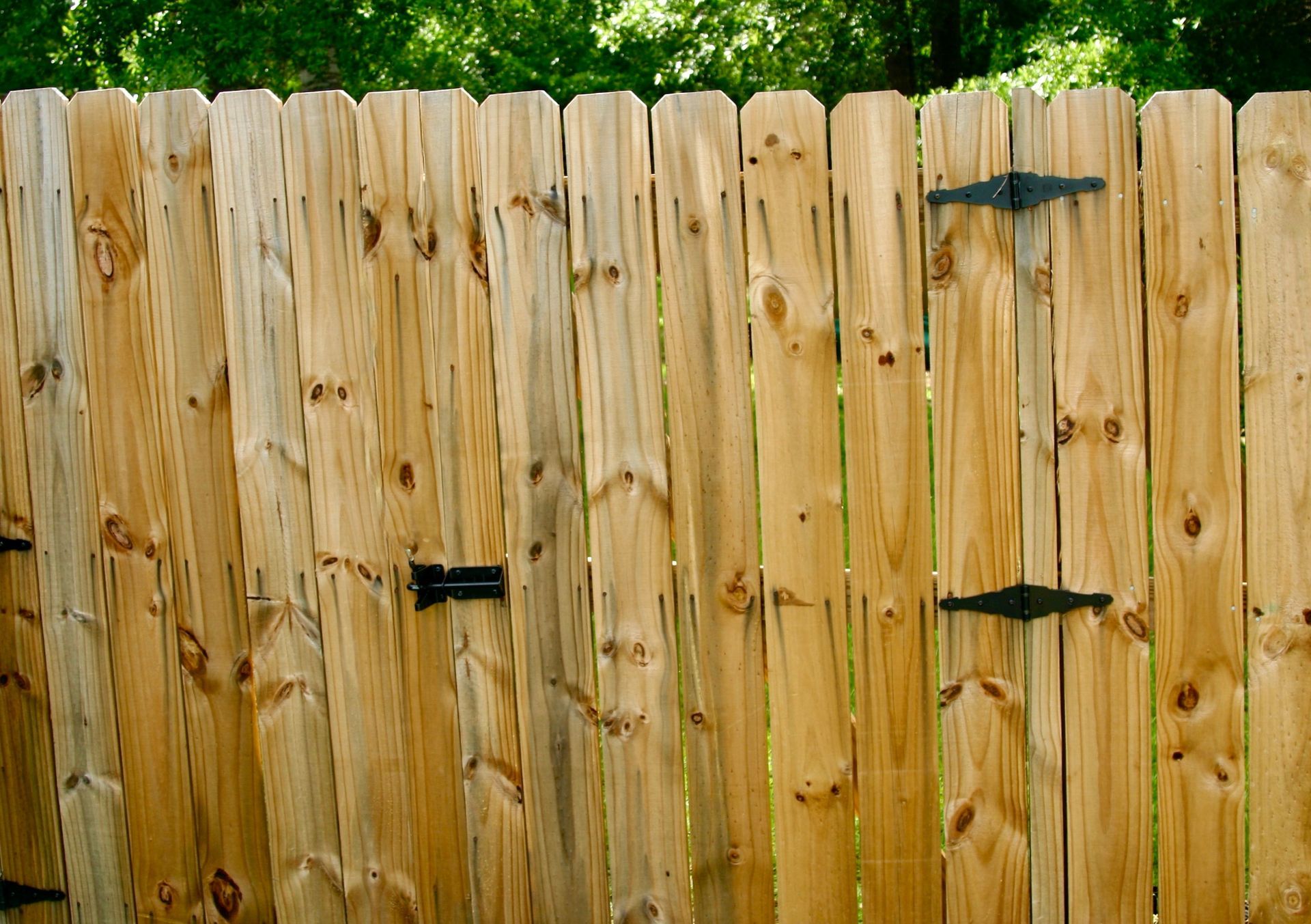
The Difference Between Temporary and Permanent Fencing
Property boundary fencing requires surveyed line confirmation before installation begins, because encroaching even six inches onto a neighbor's property creates legal complications that cost more to resolve than the survey itself. Post spacing gets calculated based on fence height and expected wind load, with closer spacing needed for solid privacy panels that catch wind like sails compared to open rail designs that allow air passage.
Once your fence is complete, the property line becomes clearly defined and visible from a distance, ending disputes about where your land ends. Privacy fencing blocks sight lines into yards and reduces noise transmission from nearby roads or properties. The fence maintains its vertical alignment through freeze-thaw cycles instead of developing the lean that indicates posts weren't set deep enough or concrete footing wasn't used where soil conditions required it.
Material options include pressure-treated lumber that resists rot in ground contact, vinyl that won't require staining but becomes brittle in extreme cold, and metal fencing that handles livestock pressure better than wood but requires different post-setting techniques. Each choice involves trade-offs between initial cost, maintenance requirements, and expected lifespan under local weather conditions.
Questions Before Starting Your Project
Fence installation questions often center on what makes installations last in Montana's climate and how different materials perform over time.
What post depth prevents frost heave damage in Whitehall?
Posts need to extend at least thirty-six inches deep with concrete footing, placing the base below the frost line so seasonal ground movement doesn't push posts upward and misalign fence sections.
How do privacy fences handle wind without falling over?
Proper installations use larger posts set closer together for solid panels, with concrete footings that provide lateral resistance against wind pressure that can exceed thirty pounds per square foot during storms.
When does decorative fencing make sense versus utilitarian designs?
Decorative options work well for front yards and areas visible from the street where appearance matters, while simpler designs prove more cost-effective for rear boundaries where function outweighs aesthetics.
What determines whether wood or vinyl performs better long-term?
Wood requires periodic staining but repairs easily when individual boards damage, while vinyl eliminates maintenance but can crack on impact and becomes difficult to match if discontinued colors or styles need replacement years later.
How is fencing integrated with sloped terrain?
Stepped installations maintain level panel sections with posts cut to different heights, while racked designs follow the slope angle but require custom cutting and create gaps at ground level unless filled.
Arthur Construction handles survey coordination and local setback requirements as part of fence planning. Arrange an on-site consultation to assess your terrain and discuss fencing configurations that meet both functional needs and budget parameters.