Protecting Your Home From Montana's Extreme Weather
Siding Installation & Replacement in Whitehall for homes facing wind-driven snow, freeze-thaw cycles, and intense UV exposure
Whitehall sits in a climate zone where winter temperatures can drop well below zero while summer sun beats down on west-facing walls for hours each day. Arthur Construction handles siding installation and replacement for homes that need exterior protection capable of handling these temperature swings without warping, cracking, or allowing moisture infiltration. When your current siding shows gaps at the seams, buckling panels, or fading that indicates material breakdown, the structure underneath becomes vulnerable to water damage and heat loss.
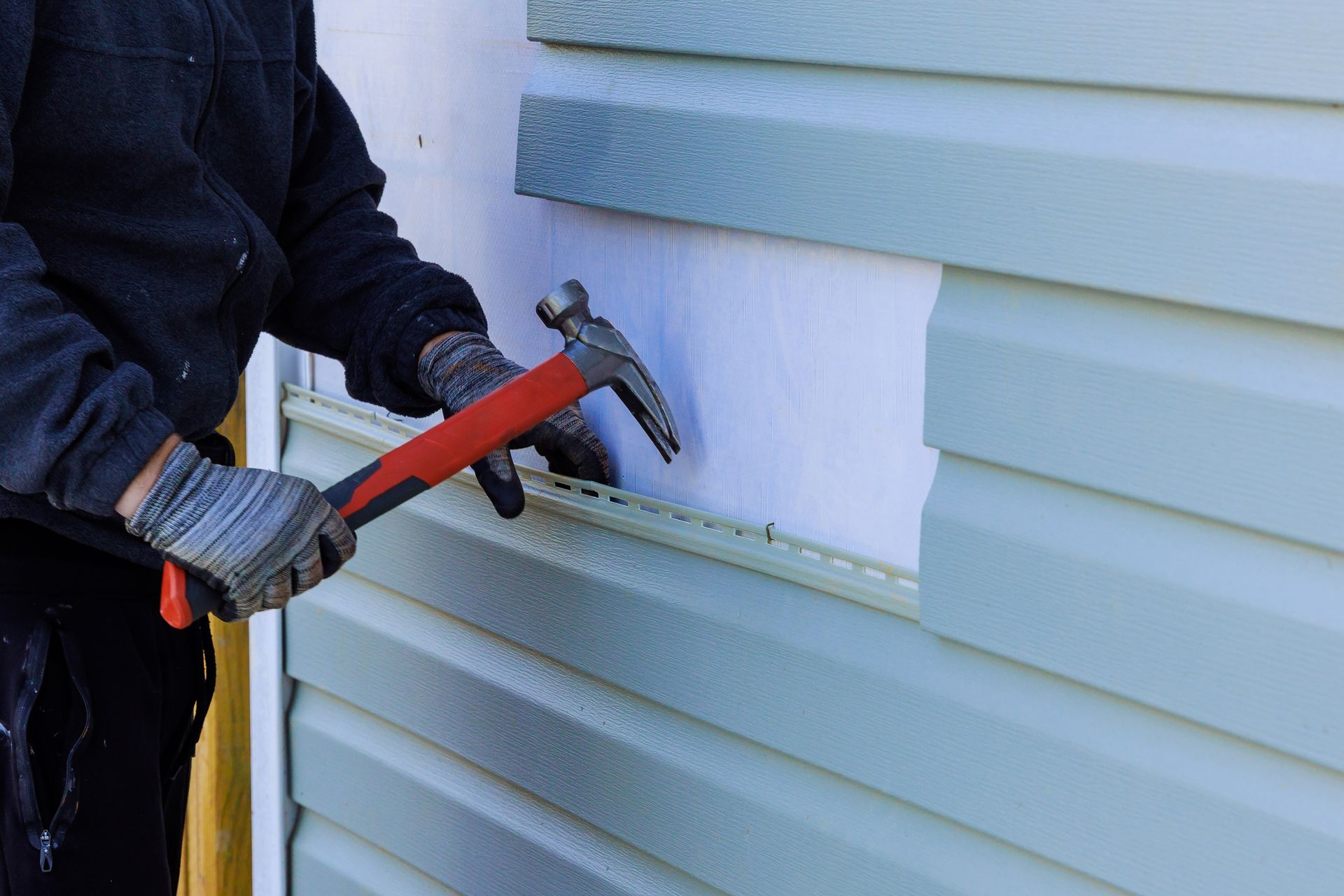
Siding replacement involves removing compromised exterior panels, inspecting the sheathing and moisture barrier beneath for damage, and installing new weather-resistant siding designed to withstand Montana's seasonal extremes. The process addresses not just the visible surface but the layers that manage moisture transfer and thermal protection.
Schedule a property evaluation to assess your current siding condition and identify specific vulnerabilities before the next winter season.
What Proper Siding Installation Requires
Weather-resistant siding installation starts with proper flashing around windows and doors, because even the highest-quality panels fail if water finds its way behind them during spring runoff or wind-driven rain. Arthur Construction ensures that moisture barriers overlap correctly and that each panel locks securely to prevent wind uplift during the gusts that sweep across Montana valleys.
Once installation is complete, you'll notice that exterior walls look uniform without the waviness that indicates poor fastening, and corners meet cleanly without gaps where drafts previously entered. The house sheds water more effectively, and you no longer see ice buildup along seams where moisture used to penetrate and freeze.
Custom siding options include materials rated for different expansion coefficients, which matters in climates where a south-facing wall might be thirty degrees warmer than a north-facing wall on the same winter day. The choice between fiber cement, engineered wood, and vinyl depends on your budget, maintenance preferences, and how much seasonal movement the material needs to tolerate without failure.
What Property Owners Usually Ask
Questions about siding projects often focus on how the work accommodates Montana's weather patterns and what improvements you'll see beyond just appearance.
What happens to the existing moisture barrier during replacement?
The old barrier gets inspected and replaced wherever it shows tears, separation, or water staining, because a compromised barrier allows condensation to rot the sheathing even when the siding itself looks intact.
How does siding hold up during freeze-thaw cycles in Whitehall?
Materials rated for Montana's climate include expansion gaps at panel ends and use fasteners that allow slight movement, preventing the buckling that occurs when rigid installation methods meet repeated temperature swings.
When should siding be replaced rather than repaired?
Replacement makes sense when more than thirty percent of panels show damage, when the underlying sheathing has moisture stains, or when energy bills indicate that exterior walls no longer provide adequate insulation.
What determines the cost difference between siding materials?
Fiber cement costs more upfront but resists fading and moisture better than vinyl, while engineered wood offers a middle option that handles Montana weather well when properly finished and maintained.
How long does a complete siding installation take?
Most residential projects take one to three weeks depending on home size and weather, with work pausing during heavy rain or snow to protect exposed sheathing.
Arthur Construction provides detailed material comparisons based on your home's orientation and exposure. Request an on-site consultation to review siding options that match your specific weather conditions and maintenance expectations.