
Roofs Built to Shed Montana Snow
Roofing Services in Whitehall for aging shingle systems, storm damage, or new construction requiring durable roof installation
Ice dams that force melt water under shingles, roof decking that sags from decades of snow loads, and ventilation systems that trap moisture in attic spaces all shorten roof lifespan and lead to interior damage that shows up as ceiling stains or mold growth. Roof installation, roof replacement, and roof repairs from Arthur Construction address those failures by installing shingle roofing systems designed for Montana's freeze-thaw cycles, ensuring adequate slope for snow shedding, and integrating underlayment and flashing that prevent water intrusion at valleys and penetrations. New construction roofing gets built correctly from the start with properly spaced rafters, code-compliant ventilation, and sheathing that won't deflect under load.
Roof replacement removes old shingles down to decking so any rotted sheathing gets replaced before new underlayment installs, while roof repairs target localized damage like missing shingles from wind or punctures from falling branches. Shingle roofing in Whitehall needs steep enough pitch to prevent snow from sitting long enough to melt and refreeze at eaves, creating the ice dams that back water into attic insulation.
Schedule an inspection to identify shingle wear, decking condition, and ventilation deficiencies before minor issues require full replacement.
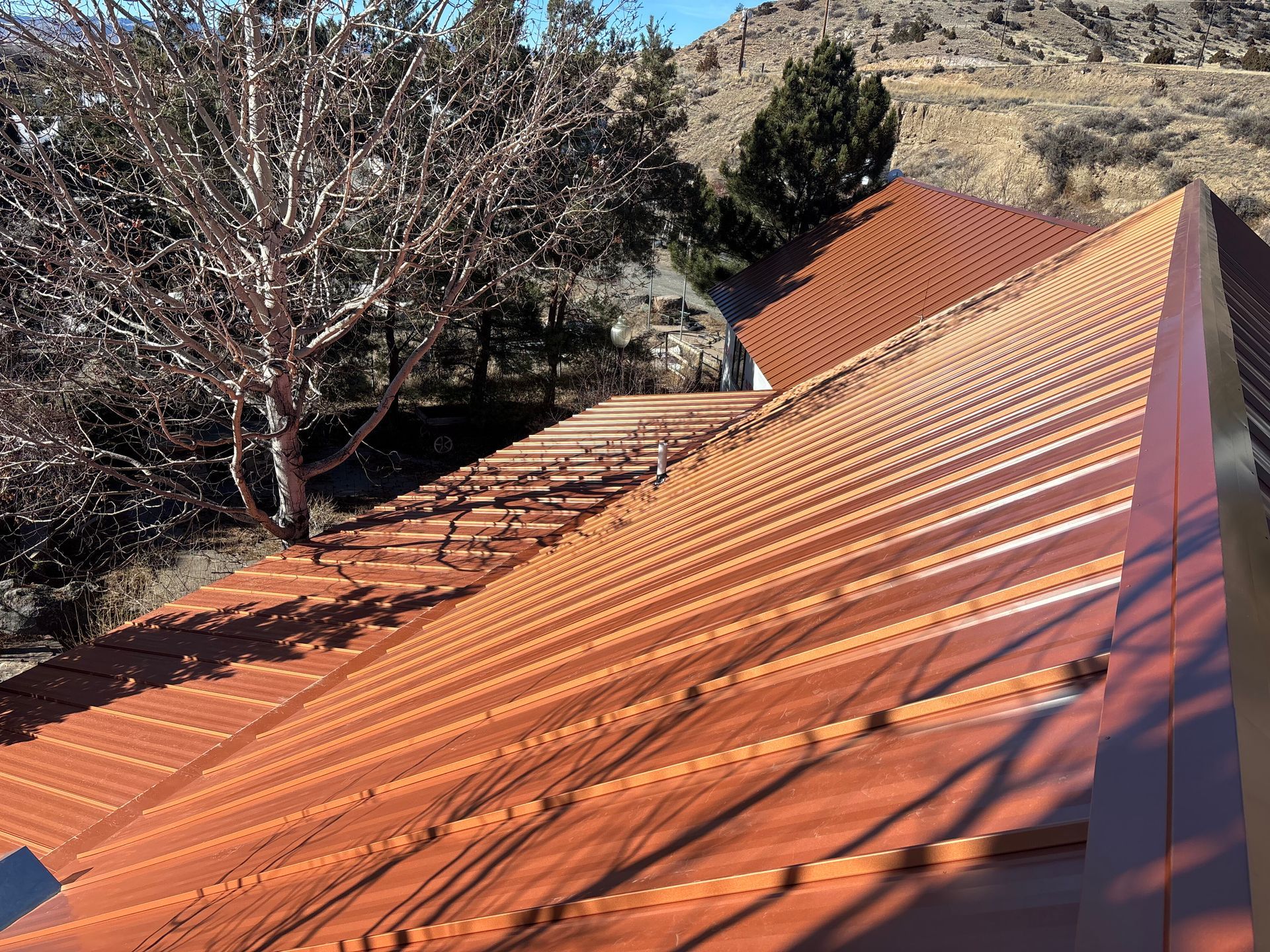
What Proper Roof Installation Requires
Roof installation starts with sheathing secured to rafters at intervals that prevent deflection under snow loads common to Whitehall's elevation and winter weather patterns. Ice and water shield goes along eaves and valleys where melt water tends to pool, while synthetic underlayment covers remaining decking to shed water if wind lifts shingles. Shingles install with enough overlap and fastener placement to resist uplift, and ridge vents paired with soffit intake allow convective airflow that keeps attic temperatures closer to outdoor conditions rather than trapping heat that melts snow unevenly.
After roof replacement finishes, you'll notice that attic temperatures stay more consistent, that ice dams no longer form along eaves during winter thaws, and that ceiling stains from previous leaks don't reappear after spring snowmelt or summer storms. Properly installed flashing around chimneys and vent pipes directs water over shingles rather than channeling it into wall cavities where it rots framing before becoming visible inside.
New construction roofing includes truss or rafter sizing engineered for snow loads specific to the building's location and roof pitch, so structural members don't sag over time and create low spots where water ponds. Shingle selection balances cost with expected lifespan, factoring in UV exposure at high elevations and temperature swings that fatigue asphalt faster than in milder climates.
Common Questions About This Service
Whitehall property owners often need clarity on when repairs suffice versus when full replacement makes more sense, and how roof systems handle snow loads.
What signs indicate that roof repairs won't extend the system's usable life?
If shingles show widespread granule loss, curling at edges, or brittleness that causes cracking when walked on, the entire roof is near failure and localized repairs just delay inevitable replacement within a year or two.
How does roof pitch affect snow shedding and ice dam formation?
Steeper roofs shed snow before loads accumulate to levels that stress framing, and they reduce the likelihood that melting snow refreezes at eaves where it backs up under shingles and leaks into attic insulation.
When should roof replacement include decking repairs?
Any sheathing with soft spots from rot, visible sag between rafters, or delamination from moisture exposure gets replaced during roof replacement so new shingles install over a solid substrate that won't deflect and break the seal between courses.
How does ventilation prevent moisture damage in attic spaces?
Intake vents at soffits and exhaust at ridges create airflow that removes humidity from insulation and framing, preventing condensation that rots sheathing and grows mold during Whitehall's cold months when warm interior air meets cold roof decking.
What underlayment works best for shingle roofing in freeze-thaw climates?
Synthetic underlayment resists tearing during installation and doesn't degrade from temperature cycling like felt paper, while ice and water shield along eaves provides a waterproof backup if ice dams force melt water under shingles during winter warming periods.
Arthur Construction handles all phases of roofing work from initial assessment through final cleanup, ensuring that shingle installation, ventilation, and flashing details prevent the leaks and ice dams common to Whitehall's snow loads and temperature swings. Request an inspection to evaluate your roof's current condition and remaining lifespan.